What is an Inverter Generator?
An inverter generator is a portable generator that produces clean, stable power (3% THD or less) and automatically adjusts its engine speed to match your load, making it quieter, lighter, and more fuel-efficient than a conventional generator and safe for sensitive electronics like laptops and smartphones.
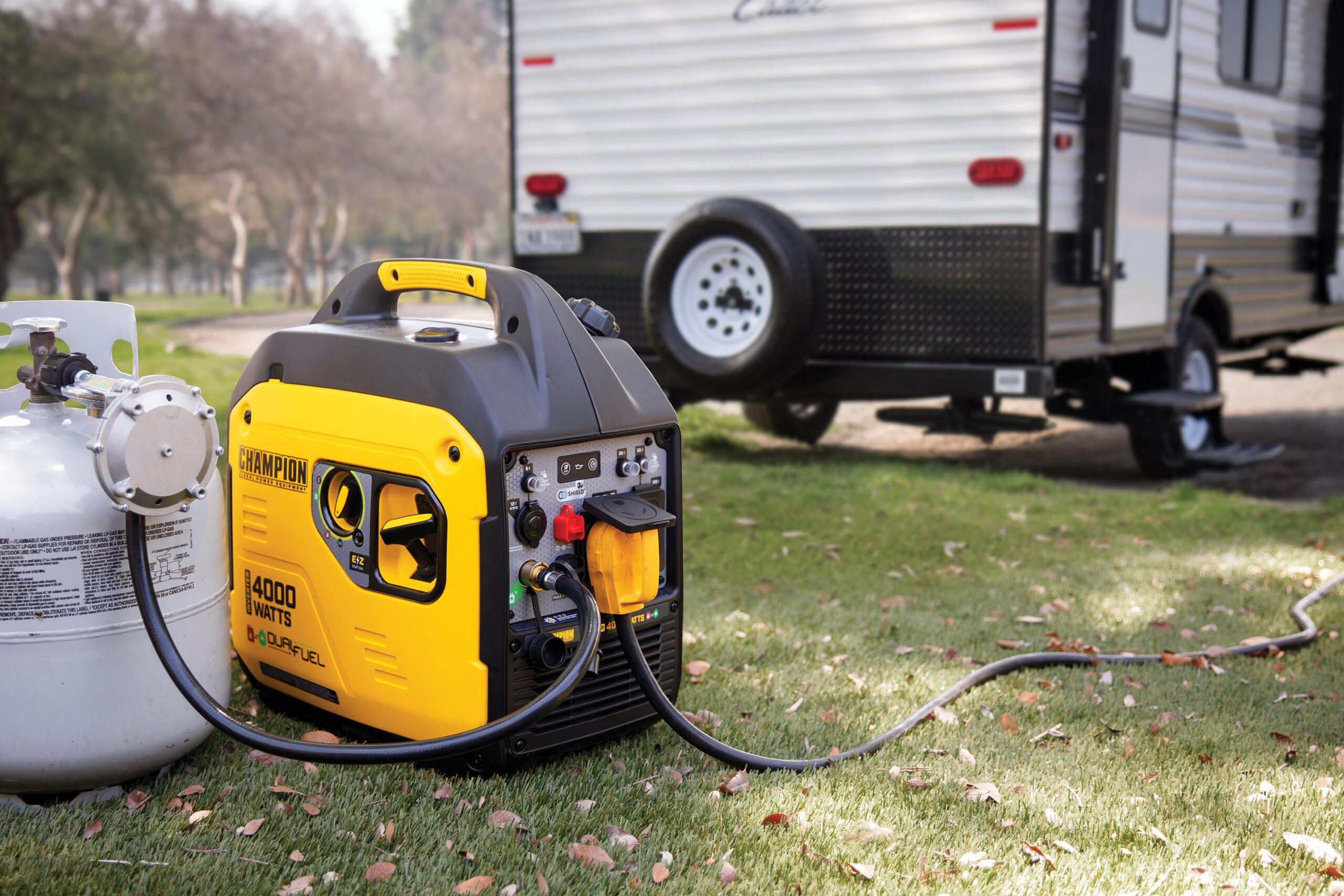
They’re smaller, lighter, and quieter than standard portable generators, and feature intelligent microprocessors that automatically adjust engine speed based on the connected electrical load. This makes them a great choice for camping, tailgating, and as a reliable backup power source at home and increases the engine’s life while providing clean power. With their compact and lightweight build, they’re easy to transport for all your mobile power needs. In this article, we’ll dive into what a power inverter generator does, explore its various uses, and offer some tips on picking the right one for your needs.
Understanding Inverter Generators
So, what does an inverter generator do differently? Unlike traditional generators, which produce raw power, inverter generators convert alternating current (AC) to direct current (DC power) then to back to high-quality AC electricity. This process provides clean and stable energy with a total harmonic distortion (THD) of 3% or less, making it safe for sensitive devices. One of the big questions is, “What is the difference between a generator and an inverter?” The answer lies in their operational efficiency. Traditional, conventional generators run at a constant speed (3600 RPM). In contrast, inverter generators adjust their engine speed based on the power demand, improving fuel efficiency, reducing noise and extending engine life. This is why they’re favored for outdoor adventures and as a trusty backup at home.
Inverter technology is gaining popularity as more people look for greener and quieter power solutions. Champion Power Equipment’s range of inverter generators is crafted to meet diverse power needs, ensuring efficiency and reliability along the way.
How Inverter Generators Work
Let’s take a closer look at what is a power inverter generator. An inverter generator is made up of several key components: the engine, alternator, inverter, and control panel. The engine generates mechanical energy, which the alternator converts into electrical energy. However, this raw power needs refining to be safe for sensitive electronics. That’s where the inverter comes in. It performs a dual conversion: transforming raw AC power to DC, then back to high-quality AC power with consistent voltage and frequency. This conversion is what a power inverter generator excels at, ensuring clean and safe electricity for your delicate devices, which is the quality of power that is given through your wall outlets.
The inverter continuously monitors the load and adjusts engine speed, optimizing performance, runtime, and fuel use. Understanding what does an inverter generator do helps us appreciate the tech behind Champion Power Equipment’s innovative products, designed to meet a variety of power requirements.
Applications of Inverter Generators
Inverter generators are go-to gadgets in both homes and businesses. Homeowners often turn to them during outages to keep the essentials running, like fridges and heating systems, and due to their being quieter than standard portable generators. On job sites, they provide reliable power for tools, making them a favorite for contractors. For the outdoor enthusiasts, their portability and quiet operation make them perfect for camping and tailgating. You can power your lights, small appliances, and entertainment gear without disturbing the peace. Plus, their lightweight design means you can easily take them wherever you need dependable power.
Inverter generators are also handy during outages, producing clean, stable energy for sensitive electronics and medical devices like computers, CPAP machines, and TVs. If you live in an area with severe weather or frequent power disruptions, an inverter generator offers peace of mind during a power outage, keeping your life moving smoothly even when the grid fails.
For an added bonus, many Champion Power Equipment inverters can be paralleled* with other inverters (of equal or different wattage) or with power stations by means of a parallel kit. This not only increases your overall power output but can also save you from having to upgrade to a larger unit just to power essentials.
- Only inverters that feature ParaLINK technology can be paired.
Choosing the Right Inverter Generator
Picking the right inverter generator involves a few key considerations. First, figure out the wattage you need. Inverter generators come in different wattages, so it’s important to know the total power requirements of your devices. Make a list of your appliances and their wattage to help you choose. Use our wattage reference chart as a guide for appliance wattage estimates.
Portability is another factor; for outdoor use, look for models that are light and easy to transport, with features like handles or wheels. Don’t forget about noise levels either. While generally quieter than traditional models, it’s a good idea to check decibel ratings to ensure they fit your needs.
When deciding on an inverter generator, consider wattage, portability, and noise level. Choosing a model with slightly higher wattage than you think you’ll need provides a helpful buffer for unexpected power surges. If you ever want more power down the road, explore Champion Power Equipment’s Parallel Kit Selector tool. It helps you find the right kit to connect two compatible inverters for extra output. Champion’s lineup of inverter generators is built to meet a wide range of power demands while keeping things portable, efficient, and quiet.
Frequently Asked Questions
What’s the difference between an inverter generator and a conventional generator?Conventional generators run at a constant 3,600 RPM. Inverter generators adjust engine speed to the load, which improves fuel efficiency, reduces noise, and extends engine life. They also produce cleaner power (3% THD or less).
Are inverter generators safe for sensitive electronics? Yes. The inverter converts raw power to DC and back to AC with consistent voltage and frequency, so it’s suitable for laptops, phones, and TVs.
Are inverter generators quiet? They’re generally quieter than standard portable generators because the engine slows down at lighter loads. Noise varies by model, so check the decibel rating.
Can I connect two inverter generators together? Yes, on models with ParaLINK technology, using a parallel kit. This increases output without buying a larger unit.
Can an inverter generator run a refrigerator or power my home during an outage? It can run essentials like a refrigerator as long as the total running and starting watts stay within the unit’s rating. Use the wattage reference chart to estimate your load. For hardwired circuits, it needs a transfer switch and inlet box installed by a licensed electrician.
Can an inverter generator run an RV air conditioner? It depends on the AC’s starting watts. Many RV ACs need more than a single small inverter can supply, so check the unit’s starting wattage and consider paralleling two inverters.
How long will an inverter generator run on a tank of fuel? **Run time depends on the model and the load. Because the engine throttles down at lower loads, run time is typically longer than a conventional generator at the same load. Check the run-time spec for the model you’re considering.
Customer Support
From understanding how inverter technology works to matching wattage and deciding whether to parallel two units, choosing the right inverter generator involves a lot of moving pieces. If you’re still weighing your options or have questions about your setup, our support team has you covered, whether you’d like help by phone or live chat. Want to troubleshoot on your own? Check out our Help Center for step-by-step guides and self-service tools, or head to our YouTube channel for tutorials and troubleshooting videos to keep your equipment running smoothly.