How to Prepare for an Extended Power Outage
A prolonged power outage can disrupt essential household needs, including refrigeration, heating and cooling, communication, and access to clean water. Preparing in advance with emergency supplies, a reliable backup power source, and a plan for conserving electricity can help keep your household safe and comfortable during an extended outage.
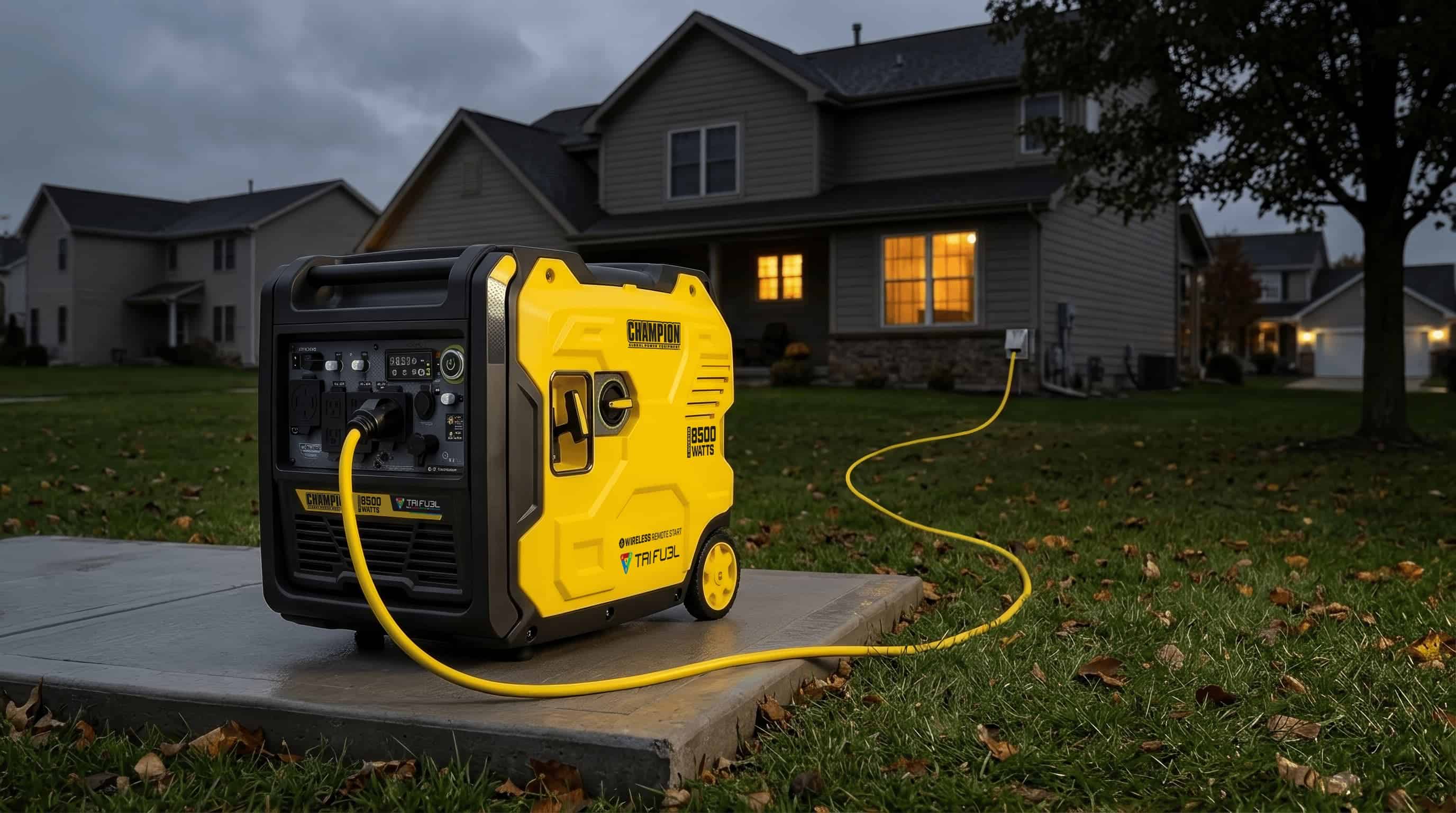
Recent attention surrounding the Pentagon’s reported FORTRESS America initiative has brought long-term emergency preparedness into focus. While the initiative is designed to help military installations operate independently for up to 90 days during major emergencies, it is not a warning of an impending nationwide blackout. Nevertheless, it highlights the importance of being prepared for unexpected disruptions to the electrical grid.
What Is the Pentagon’s 90-Day Preparedness Plan?
The Pentagon’s FORTRESS America initiative focuses on strengthening military readiness by helping major U.S. military installations maintain essential operations without relying on outside infrastructure and supply chains.
The reported 90-day target has generated questions about civilian preparedness. However, it does not mean a 90-day power outage is expected or that Americans have been instructed to stockpile three months of supplies.
For homeowners, the takeaway is straightforward: power outages can happen because of severe weather, infrastructure failures, or other emergencies. Having a plan for extended disruptions can help reduce their impact on everyday life.
How to Prepare for an Extended Power Outage
Preparing for an extended outage starts with identifying your household’s essential needs and making sure you have the supplies and resources to address them.
1. Stock Up on Essential Emergency Supplies
Keep a supply of essential items readily available rather than waiting until an emergency occurs. Consider maintaining:
- Drinking water: Store at least one gallon of water per person per day for drinking and sanitation.
- Nonperishable food: Keep canned goods, dried foods, and other shelf-stable meals available.
- First aid supplies: Maintain a stocked first aid kit and essential medications.
- Lighting: Keep flashlights, battery-powered lanterns, and spare batteries accessible.
- Communication: Have a battery-powered or hand-crank emergency radio and portable phone chargers.
- Personal necessities: Account for children, pets, and household members with special medical needs.
FEMA recommends keeping enough basic emergency supplies to support your household for several days. For longer disruptions, gradually build additional reserves based on your family’s needs and available storage.
Visit Ready.gov to view and print a checklist of essential and recommended emergency supply kit items.
2. Establish a Reliable Backup Power Source
Electricity is essential for maintaining food storage, operating medical equipment, charging communication devices, and keeping certain household systems running.
A backup generator can provide power when the electrical grid is unavailable. Consider the following options:
- Home standby generators: Permanently installed systems that automatically restore power during an outage when paired with an automatic transfer switch (ATS). Depending on the model and fuel supply, they can power essential circuits or much of your home.
- Portable generators: Flexible backup power solutions that can operate refrigerators, lights, fans, and other essential appliances, depending on their wattage capacity.
- Inverter generators: Offer quieter operation and clean electricity for sensitive electronics, battery chargers, and smaller household devices.
- Portable power stations: Battery-powered solutions that can operate smaller electronics and select appliances without gasoline or propane.
When selecting a backup power source, consider how much electricity your household needs, how long you expect to operate it, and how you will replenish its energy supply.
3. Calculate Your Household’s Power Requirements
Not every appliance needs to operate during an extended outage. Prioritize essential equipment and calculate the electricity required to keep it running.
Start by identifying the appliances and devices you consider necessary:
| Appliance or Device | Priority |
|---|---|
| Refrigerator or freezer | High |
| Medical equipment | High |
| Emergency lighting | High |
| Phone chargers and communication devices | High |
| Wi-Fi router and modem | Medium |
| Fans and small cooling appliances | Medium |
| Television and entertainment devices | Low |
| Coffee makers and other convenience appliances | Low |
Check each appliance’s wattage requirements and determine which devices need to operate simultaneously. Account for starting wattage surges from motor-driven appliances, such as refrigerators and well pumps, when sizing a generator.
For additional guidance, see our Generator Wattage Reference Chart.
4. Plan for Fuel and Long-Term Power Availability
For extended outages, having a generator is only part of the equation. You also need a dependable way to keep it running.
Consider the following:
- Fuel availability: Understand your generator’s fuel consumption and run time at different loads.
- Fuel storage: Store gasoline or propane according to applicable safety requirements and manufacturer recommendations. Gasoline breaks down over time, and ethanol-blended fuel can go stale within a few months, which can cause hard starting and fuel system problems. Add a fuel stabilizer when you fill your storage containers and use your stored gasoline in rotation so it stays fresh. Propane doesn’t break down in storage, so it’s a practical choice for keeping fuel on hand long term.
- Fuel efficiency: Reduce unnecessary electrical loads to conserve fuel and extend run time.
- Maintenance: Keep up with oil changes, air filter inspections, and other scheduled maintenance.
- Alternative charging: Consider compatible battery backup systems and solar charging options where practical.
Remember that fuel supplies may become difficult to obtain during widespread emergencies. Plan accordingly rather than assuming local fuel stations will remain operational.
5. Protect Food, Water, and Essential Household Systems
A power outage can affect more than your home’s electrical appliances. Refrigeration, water pumps, and other household infrastructure may also become unavailable.
Prepare by taking a few precautions:
- Keep refrigerator and freezer doors closed to preserve food temperatures.
- Store bottled drinking water and identify alternative safe water sources.
- Keep coolers and ice available for temporary food storage.
- Have a plan for medications that require refrigeration.
- Identify alternative arrangements for heating, cooling, and cooking.
According to the CDC, an unopened refrigerator generally keeps food safe for up to four hours without power. A full freezer can maintain safe temperatures for approximately 48 hours, while a half-full freezer can do so for approximately 24 hours.
6. Create a Household Emergency Plan
Make sure everyone in your household understands what to do if power becomes unavailable for an extended period.
Your plan should include:
- Emergency contact information and an agreed-upon meeting location.
- A way to receive emergency alerts and local updates.
- Backup arrangements for medical equipment and refrigerated medications.
- An evacuation plan if conditions become unsafe.
- A list of nearby emergency shelters, family members, or alternative accommodations.
Preparing these details in advance can help your household respond more effectively when normal services are disrupted.
Generator Safety During a Power Outage
Portable generators provide valuable backup power, but improper operation can create serious hazards.
Always follow these generator safety precautions:
- Operate outdoors: Never run a portable generator inside your home, garage, shed, or enclosed space. If you need to run it in rain or snow, use a weather cover made for operating generators, such as a Champion Storm Shield®, rather than moving it under a porch or into a garage.
- Maintain proper clearance: Position the generator at least 20 feet away from your home, with exhaust directed away from windows, doors, and vents.
- Install carbon monoxide detectors: Keep working CO detectors on every level of your home.
- Keep generators dry: Set the generator on a dry, level surface away from standing water, and make sure your hands are dry before touching it or plugging in cords.
- Avoid overloading: Never exceed the generator’s rated running or starting wattage.
- Use proper connections: Never plug a generator directly into a household wall outlet. Use a properly installed transfer switch when connecting a generator to household wiring.
For additional information, visit our Generator Safety Guide.
Frequently Asked Questions
Is the Pentagon preparing for a 90-day power outage? The Pentagon’s reported FORTRESS America initiative focuses on helping major U.S. military installations maintain essential operations for up to 90 days without outside support. It does not announce a planned nationwide blackout or predict that civilian households will lose power for 90 days.
How much emergency water should I store? A general emergency preparedness guideline is to store at least one gallon of drinking and sanitation water per person per day. Households should consider additional water for children, pets, medical needs, and warmer climates.
What is the best generator for an extended power outage? The best generator depends on your household’s electrical requirements and available fuel supply. Home standby generators are suited for automatic, longer-term home backup, while portable generators offer flexible power for essential appliances and equipment.
How long can a portable generator run during a power outage? Run time depends on the generator model, fuel tank capacity, fuel type, and electrical load. Consult your owner’s manual for estimated run time and recommended operating intervals. Always shut down and allow the generator to cool before refueling.
Should I prepare for a 90-day blackout? There is no announced nationwide 90-day blackout. However, maintaining emergency supplies, backup power, and a household preparedness plan can help you handle unexpected outages lasting several hours, days, or longer.
Customer Support
Preparing for an extended power outage starts with having the right equipment and understanding your household’s backup power requirements. Whether you’re considering a portable generator or a home standby system, choosing the right solution can help keep essential appliances and equipment running when the grid goes down.
Need help finding the right generator for your home? Champion Power Equipment offers product selection tools for portable generators and whole-house generators, technical support, and helpful resources to guide your decision. Visit our Help Center for additional information or explore our YouTube channel for generator tutorials, maintenance tips, and troubleshooting advice.