Can I Run a Generator in the Rain?
When wet weather hits and power outages follow, it’s natural to ask: Can I run a generator in the rain? The short answer? No, at least not without proper protection.
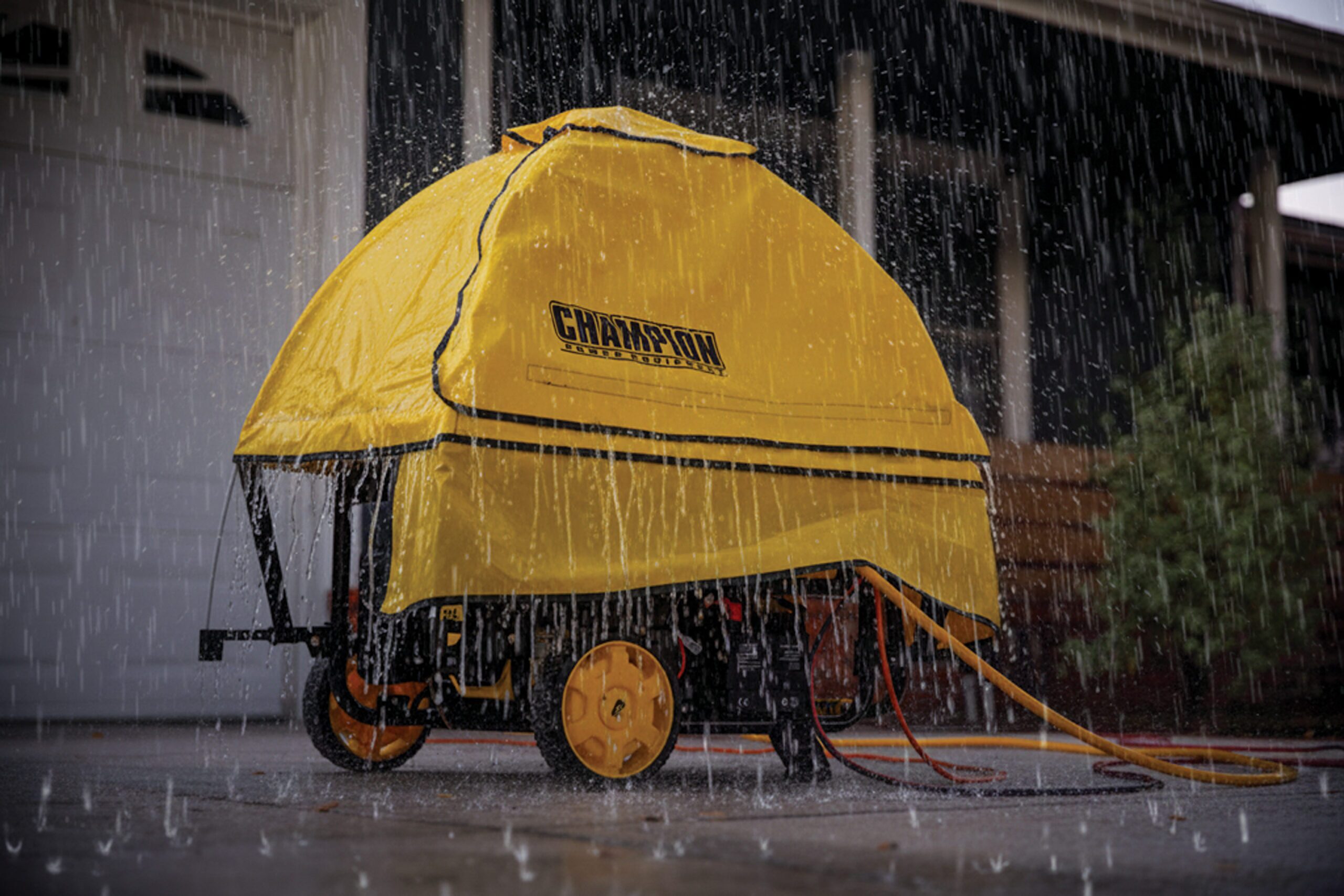
Running a generator during bad weather or a heavy downpour without protection creates serious safety risks. But with the right solution, like a Champion Storm Shield by GenTent, you can safely operate your generator in wet conditions while maintaining proper airflow and protection.
Let’s break it down.
Why You Shouldn’t Run a Generator in the Rain (Without Protection)
First things first: never operate a portable generator inside an enclosed space. You must always run a generator outdoors, far from doors, windows, or vents. Why? Because generators produce carbon monoxide (CO), a colorless, odorless gas that can be deadly within minutes.
Now, what about rain?
Most portable generators and inverter units are not weatherproof. Operating a portable generator or inverter in wet conditions exposes you to serious risks:
- Electrical shocks
- Short circuits
- Increased risk of electrocution
- Rust and corrosion inside the engine
- Moisture contamination of fuel
- Performance issues during a rainy day
Water and electricity do not mix. If your goal is proper generator safety, keeping your equipment dry is non-negotiable. So again: can you run a generator in the rain? Not safely, unless it’s properly protected.
The Solution: Champion Storm Shields by GenTent
This is where the Champion Storm Shield by GenTent changes the conversation. A Storm Shield is not just a basic generator cover. It’s a weather-resistant running cover designed specifically to:
- Keep your generator dry and protected — open frame models handle up to 12 inches of rain per hour, 18 inches of snow per day, and 70 mph winds, while inverter models handle up to 18 inches of rain per hour, 20 inches of snow per day, and 110 mph winds
- Allow safe operation during wet weather
- Provide proper ventilation to prevent overheating
- Reduce exposure that can lead to short circuits or electrical shocks
Unlike a tarp or makeshift shelter (which can trap heat and create fire hazards), the Storm Shield is engineered to maintain airflow while shielding sensitive electrical components. So the better answer to the question becomes: Can I run a generator in the rain? With a Champion Storm Shield, the answer finally becomes yes.
Safe Setup in Wet Conditions
Even with a Storm Shield, proper setup still matters. Follow these essential safety tips:
- Always place your generator on a level surface
- Keep it elevated away from puddles
- Use only weather-resistant extension cords rated for outdoor use
- Inspect cords for damage to prevent electrocution
- Maintain clear airflow to avoid overheating
The Storm Shield protects from above, but you still need to ensure your setup prevents water pooling underneath.
Protecting Your Generator Long-Term
Rain doesn’t just create immediate electrical risks, it can shorten the life of your equipment. To protect your generator investment:
- Use a Storm Shield during operation in wet conditions
- Wipe down the unit after exposure to moisture
- Check electrical outlets and components for water intrusion
- Store your generator in a dry location when not in use
Regular maintenance helps prevent corrosion and keeps your generator ready for the next round of bad weather or unexpected power outages.
Final Answer: Can I Run a Generator in the Rain?
Without proper protection? No.
With a properly installed Champion Storm Shield by GenTent, set on a level surface and following essential generator safety practices, can you safely run your generator in the rain? Yes — stay powered through even the heaviest downpour.
When storms hit, the right protection determines whether you have power or not.
In an emergency, your portable generator only makes a difference when you run it right.
Customer Support
Champion offers a variety of support options designed to meet your needs. Customers can connect with our team by phone or live chat, or explore our Help Center for step-by-step guides and convenient self-service resources. For additional assistance, our YouTube channel features helpful tutorials and troubleshooting videos to keep your equipment operating at its best.