To hook up a generator to your house, you’ll need either an extension cord setup for basic use, a manual transfer switch (MTS) paired with a power inlet box connecting the generator directly to your home’s electrical panel for a safer, more complete solution, or a StartLINK-equipped generator paired with a compatible Energy Storage System (ESS) or Automatic Transfer Switch (ATS) for fully automatic power during an outage.
This guide walks you through these items, plus the safety precautions, tools, and step-by-step process to get it done right, along with newer options like StartLINK-enabled generators that can automate the process entirely. Whether you’re dealing with power outages or preparing for adverse weather conditions, having a reliable house generator hook up can keep your home powered during crucial times. This guide delves into safety precautions and provides a detailed step-by-step process to assist you in getting hooked up. With the right tools and equipment from Champion Power Equipment, you’ll be ready to tackle any power challenges efficiently.
Disclaimer: At Champion, your safety is our top priority. This guide is meant to provide general information to help you better understand generator connection options. Always consult a licensed electrician before attempting any electrical work, and follow all local codes, regulations, and permit requirements. Improper installation can lead to serious injury, property damage, or even death. When in doubt, leave it to the pros—your safety and your home are worth it.
Understanding House Generator Hook Ups
When unexpected power outages occur, knowing how to connect a generator to your house becomes vital for maintaining safety and comfort. A dependable generator hook up offers peace of mind and convenience, ensuring that daily routines are uninterrupted. Without proper hook ups, backup generators can be ineffective, leaving your home vulnerable during blackouts.
Various generators run on different fuel sources like propane or gasoline and are suitable for home use, each tailored to different needs. Portable generators are favored for their mobility, making them ideal for short-term outages or recreational activities. Home standby generators, however, are permanently installed and automatically activate during power failures using automatic transfer switches (ATS), ensuring continuous operation of essential appliances and systems. Understanding these options helps homeowners select a generator that meets their specific requirements.
One significant advantage of having a generator hook up is the swift restoration of electricity, reducing disruption. This is crucial for families dependent on medicine that require refrigeration. Additionally, a generator connection safeguards your home from damage due to power surges and outages, preserving your electrical systems. With a proper setup, you can maintain heating, cooling, and lighting during emergencies. Investing in a suitable whole house generator and hook up system transforms your home into a bastion of reliability during power disruptions.
Safety Precautions for Generator Connections
Ensuring safety during generator installation is paramount. Incorrect hook ups can lead to risks such as electrical fires, carbon monoxide poisoning, and damage to electrical systems. Adhering to manufacturer guidelines and employing safe practices can mitigate these hazards.
A common mistake in how you connect a generator to your house is the absence of an MTS or interlock kit . Without this device, backfeeding may occur, posing dangers to utility workers and your home. Additionally, improper connections or circuit overloads can result in overheating and damage. Using accessories like Champion’s manual transfer switches, paired with a generator inlet box, ensures safe and efficient generator operation.
Compliance with local electrical codes and regulations is crucial during installation. These standards protect you, your property, and the community from electrical risks. Local authorities often require permits for generator installations, and non-compliance can lead to fines or necessitate reinstallation. Consulting with a licensed electrician and understanding local requirements ensures your generator setup is safe and compliant.
Prioritizing safety through proper installation, avoiding common pitfalls, and adhering to regulations enhances both protection and the performance of your generator.
Types of Generator Hook Ups
Extensions Cords
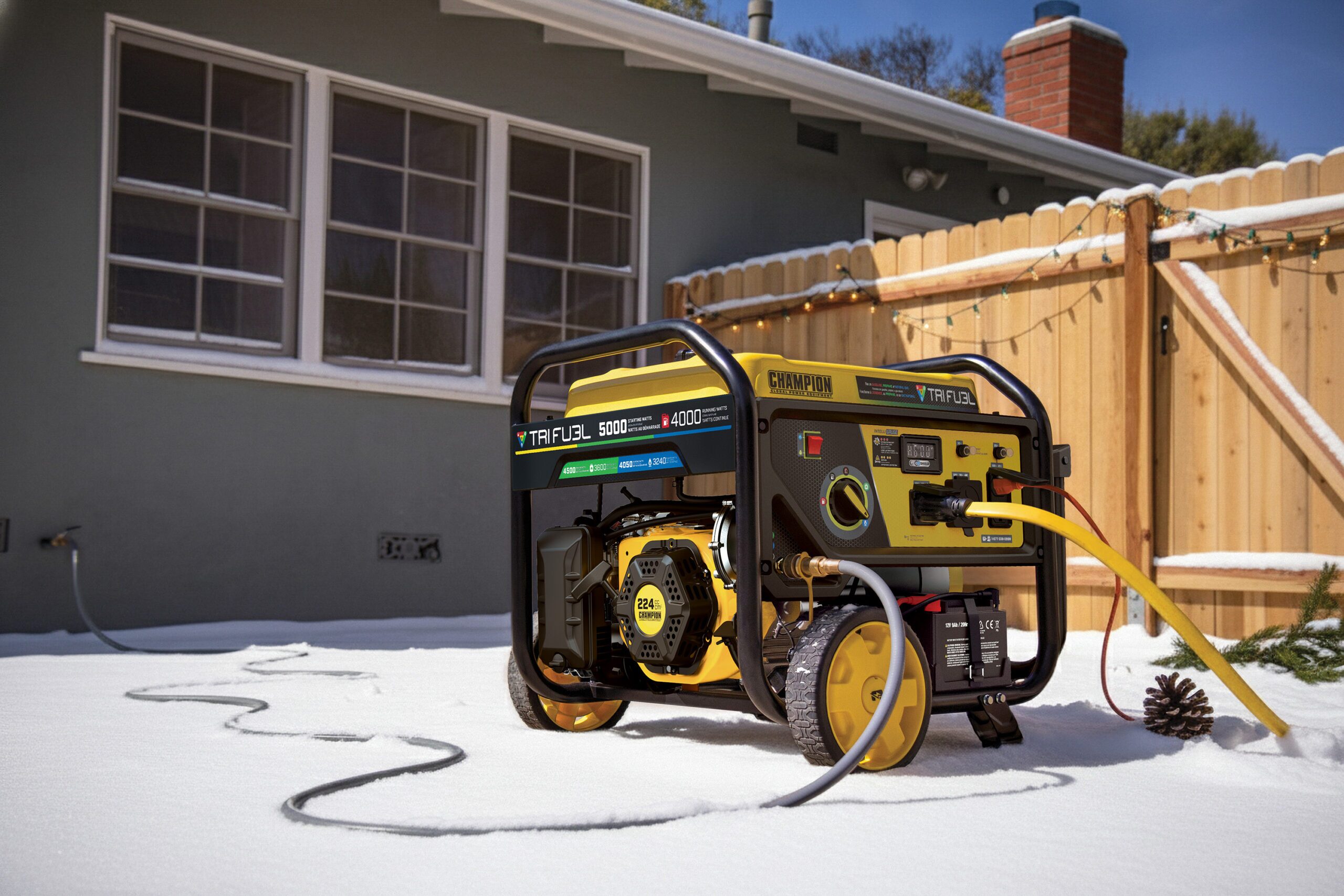
Extension cords are a good starting point for connecting your portable generator. When using this method, keep the generator at least 25 feet away from your home, and run the cords through windows or doors. However, you’ll be limited by the number of available outlets and may not be able to power essential hardwired appliances.
Manual Transfer Switches
For a better solution, consider an MTS setup. Recommended for residential use, an MTS securely connects your generator to your home’s electrical panel. This setup allows you to easily switch between utility and generator power, helps prevent dangerous backfeeding into the grid, and protects both utility workers and your home’s electrical system.

Understanding plug types and their compatibility with your generator is vital. Common types include NEMA L14-30 (30-amp) and 14-50 (50-amp), designed for various power ratings and applications. Matching your generator’s output with your home’s input requirements ensures efficient operation and prevents equipment damage.
Power transfer systems are integral to generator installations, facilitating seamless power transfer from your generator to your home. Components like transfer switches and inlet boxes enhance safety and ensure effective generator operation during outages. Investing in quality power transfer systems ensures reliable backup power access when needed.
StartLINK: Wired Auto Start/Stop
For homeowners who want backup power without manually starting a generator during an outage, Champion’s StartLINK technology offers a middle ground between a basic portable generator and a full home standby system. StartLINK provides a wired connection between a compatible Champion inverter generator and an ESS or ATS, enabling automatic start/stop functionality. When the utility is on, it also delivers 120V AC to keep your generator’s battery charged, so it’s always ready to go when the power drops — no walking outside in a storm to pull-start a generator.

This makes StartLINK-equipped inverters a strong option for anyone who wants the portability and lower cost of a portable generator, but with the hands-off convenience typically associated with permanently installed home standby systems.
Champion offers StartLINK on select portable generator and inverter models, giving compatible units convenient automatic starting capabilities when the power goes out.
Tools and Equipment Required for a Generator Hook Up
Successful portable generator hook up relies on having the right tools. Basic hand tools such as screwdrivers, pliers, and wrenches are essential for securing connections and making adjustments during installation. A voltage tester is crucial to verify safe and functional electrical connections.
Champion Power Equipment offers accessories like transfer switches and power inlet boxes to enhance generator functionality. Additional equipment may be needed for a comprehensive generator hook up. High-quality extension cords are vital for connecting your generator to the transfer switch. Choose cords rated for outdoor use and capable of handling your generator’s wattage. Adapters might be necessary depending on outlet types and devices you plan to power.
Selecting suitable generator accessories involves considering specific power needs and the appliances you intend to run. Compatibility with your generator model and wattage requirements is essential. Champion Power Equipment provides durable, easy-to-install accessories that meet safety standards and ensure optimal performance. Equipping yourself with the right tools and accessories ensures a seamless and efficient generator hook up.
What to Expect When Connecting a Generator to Your House
Connecting a portable generator to your home gives you a reliable power source during outages. So, how do you connect a generator to your house?
There are two main ways to do it: a manual transfer switch, where you start the generator and switch circuits over yourself, or an automatic setup, where the generator starts and takes over on its own when the power goes out. Automatic setups have traditionally meant a permanently installed home standby generator. Newer options like Champion’s StartLINK technology now bring that same hands-off convenience to select portable inverter generators. Both approaches connect the generator to your home’s electrical panel through a transfer switch. That’s the device that keeps generator power and utility power separate and prevents dangerous backfeeding into the grid.
Either way, the installation involves working inside your electrical panel, so it should be handled by a licensed electrician. They can help you choose the right setup for your home, handle any required permits, and make sure everything meets local code. Below is a general look at what each installation involves and what using it during an outage is like.
Rockhill Farm, 2024.
Installing a Manual Transfer Switch
An MTS setup starts with the transfer switch itself. It’s usually mounted on the wall next to your home’s main electrical panel and wired into that panel by a licensed electrician. Before any wiring begins, the electrician shuts off the main breaker so the panel is de-energized.
Next, you choose which circuits the switch will cover. Most manual transfer switches handle a set number of circuits, so you’ll decide ahead of time which ones matter most during an outage: the refrigerator, furnace fan, well pump, sump pump, lighting, or a few key outlets. The electrician then moves those circuits from the main panel to the transfer switch, where each one can be switched between utility power and generator power.
The final piece is the power inlet box. It’s mounted on an exterior wall and wired to the transfer switch, giving you a weatherproof connection point outside your home. Inlet boxes come in 30- or 50-amp versions, matched to your generator’s outlet (typically NEMA L14-30 or 14-50). With the inlet box in place, you don’t need to run extension cords through windows or doors during an outage.
Once everything is installed, here’s what a typical outage looks like. You set the generator at least 25 feet from your home, connect it to the inlet box with a power cord rated for its amperage, and start it. After the generator stabilizes, you flip your selected circuits over to generator power. Moving them one at a time helps avoid overloading the generator with startup surges. When utility power comes back, you reverse the process: switch the circuits back to utility, shut the generator down, and disconnect the cord.
Before you rely on your setup, have your electrician test it with the generator running to confirm each circuit works as expected. After that, regular generator maintenance (oil changes, air filter, spark plug, and fuel system checks as described in your owner’s manual) keeps it ready for the next outage.
Installing a StartLINK Automatic Transfer Switch
On the installation side, a StartLINK setup looks a lot like an MTS setup. The difference is what happens when the power goes out. A licensed electrician mounts the ATS near your main electrical panel and wires it in, covering the circuits you’ve chosen to back up. Like an MTS, the system also needs a power connection point for the generator outside your home. In addition, there’s a StartLINK wired connection between the generator and the ATS. That connection is what lets the two communicate.
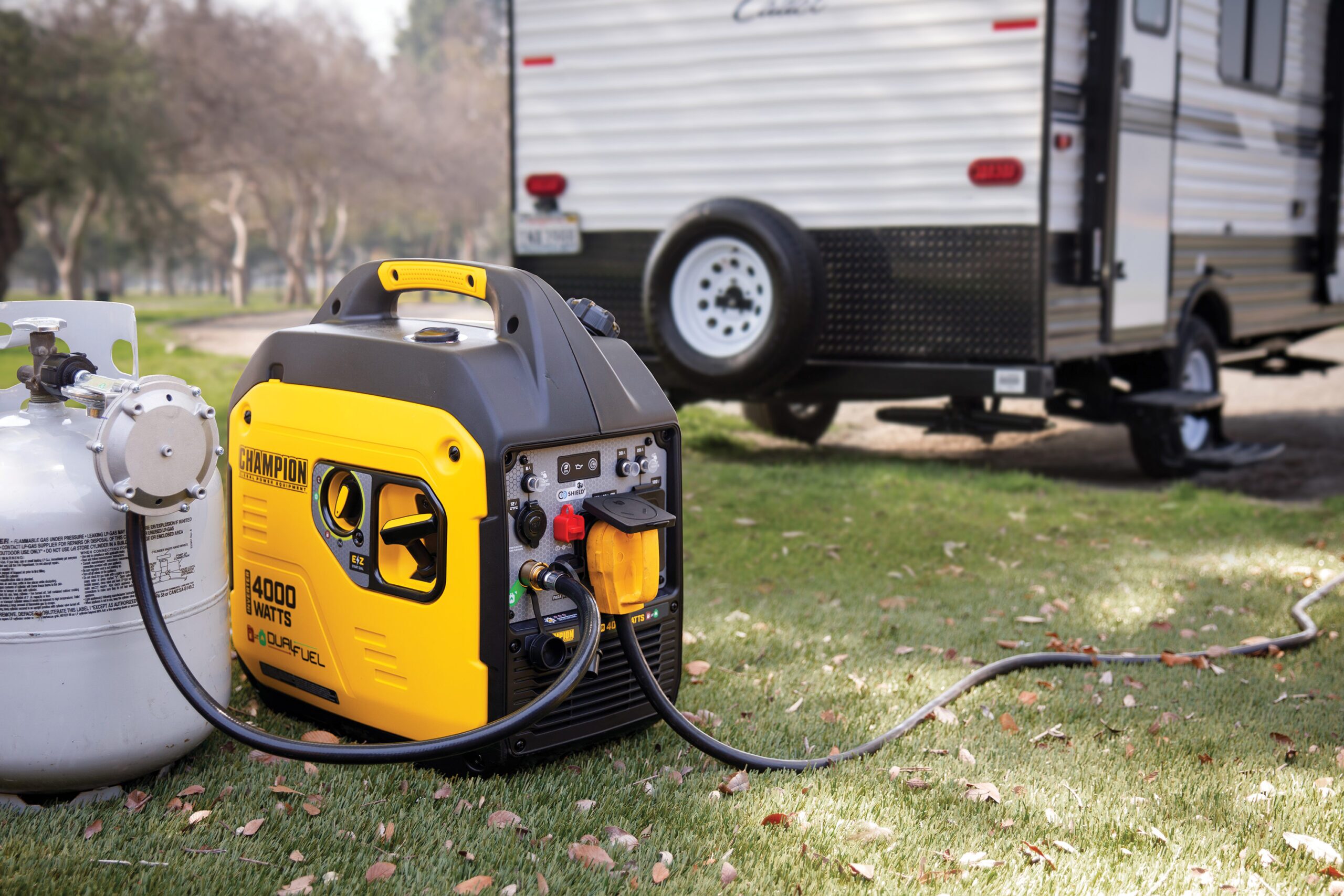
Because the system is designed to start on its own, the generator needs a spot where it can stay connected and ready. That spot should be at least 25 feet from windows, doors, and vents, with at least five feet of clearance on all sides. If you have a tri-fuel StartLINK model, a natural gas connection installed by a qualified professional can let the generator run through longer outages without refueling.
Day to day, the system works quietly in the background. While utility power is on, StartLINK supplies 120V AC to keep the generator’s battery charged. When an outage hits, the ATS detects the loss of utility power and signals the generator to start. Once the generator is running steadily, the ATS transfers your selected circuits to generator power. There are no trips outside and no switches to flip. When utility power returns, the ATS moves your circuits back to utility and signals the generator to shut down.
Automatic doesn’t mean maintenance-free. You’ll still want to keep the generator fueled (if it isn’t on natural gas), follow the maintenance schedule in your owner’s manual, and check periodically that it’s connected and ready.
Frequently Asked Questions
Can I plug my generator directly into a wall outlet? No. Plugging a generator directly into a wall outlet, sometimes called “backfeeding“, is extremely dangerous and illegal in most areas. It can send electricity back through the grid, putting utility workers at risk, and can severely damage your home’s electrical system. Always use a properly installed transfer switch or inlet box instead.
How far away from my house should I place my generator? Your generator should be positioned at least 25 feet away from windows, doors, and vents, with at least five feet of clearance on all sides, to prevent carbon monoxide from entering your home.
Do I need an electrician to install a generator hook up? While simple extension cord setups don’t require an electrician, installing a manual transfer switch or interlock kit involves working with your home’s electrical panel and should always be done by, or under the guidance of, a licensed electrician to ensure it’s safe and up to code.
Can a generator automatically turn on during a power outage? Yes, but this typically requires either a home standby generator with an automatic transfer switch, or a portable generator equipped with StartLINK technology connected to a compatible Automatic Transfer Switch or Energy Storage System.
What’s the difference between StartLINK and a standard manual transfer switch? A standard manual transfer switch still requires you to manually start the generator and flip the switch yourself once the power goes out. StartLINK removes that manual step, as the generator connects to a compatible ATS or ESS and starts automatically when it detects an outage, while also keeping the generator’s battery charged and ready at all times.
Does a StartLINK generator require professional installation? The generator itself doesn’t require installation since it’s portable, but the ATS or ESS it connects to does. Since those components are wired into your home’s electrical panel, that part of the setup should be handled by a licensed electrician, just like any other transfer switch installation.
Customer Support
Following these steps ensures your generator is ready to provide power when needed. Of course, even with a clear guide, generator hook ups can raise questions specific to your home’s setup, and that’s exactly where our support team comes in.
At Champion, we’re here for you around the clock, day or night, with 24/7 customer support. Whether you need immediate assistance, available by phone or live chat, or prefer to tackle things on your own, we’ve got you covered. Our Help Center is filled with detailed articles and self-service tools to guide you through common questions and issues. Plus, our YouTube channel features a wide range of technical videos, offering everything from maintenance tutorials to troubleshooting guidance.